Nobody Else Knows What Good Looks Like
Lesmon·Co-founder & CEO
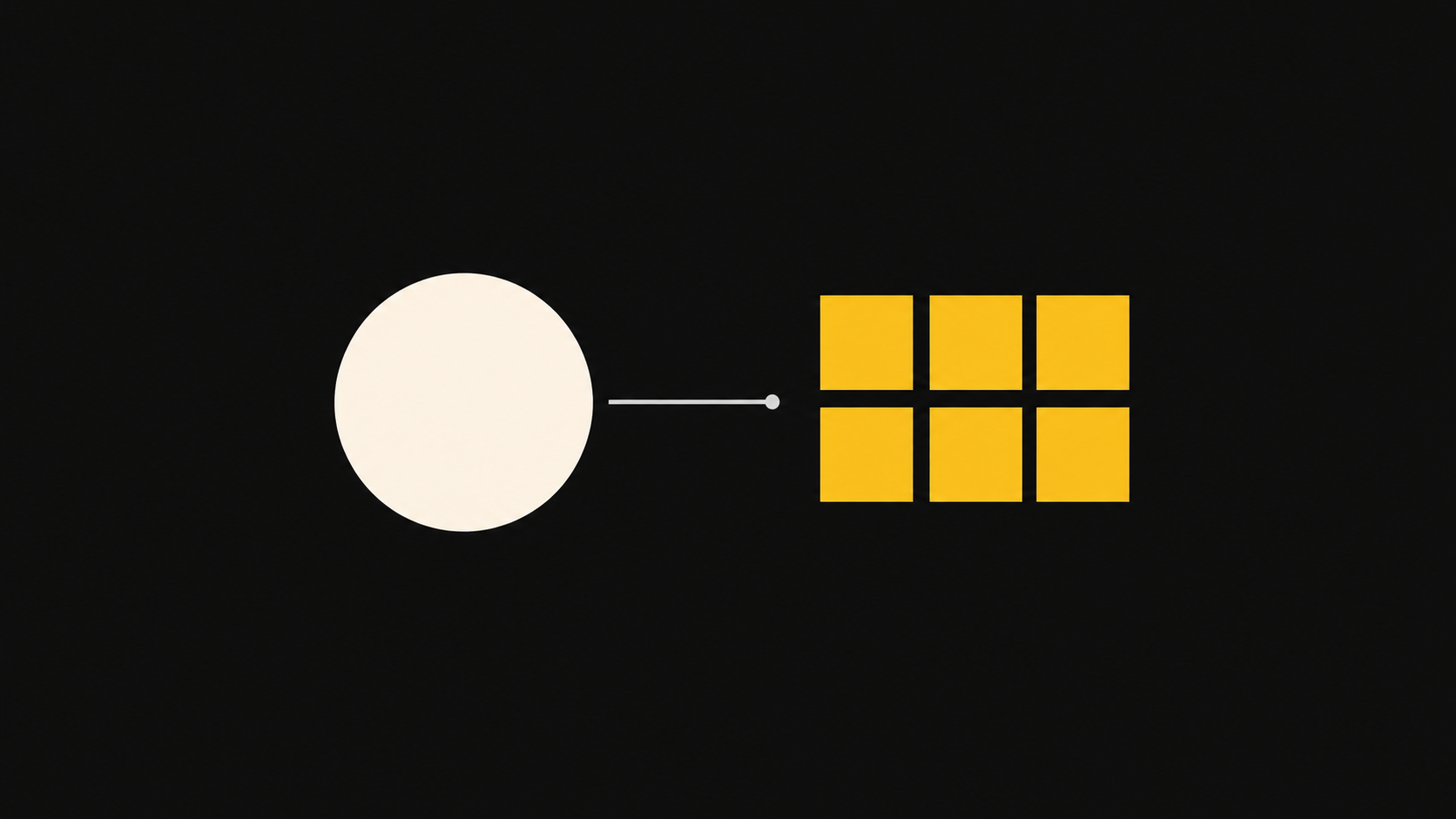
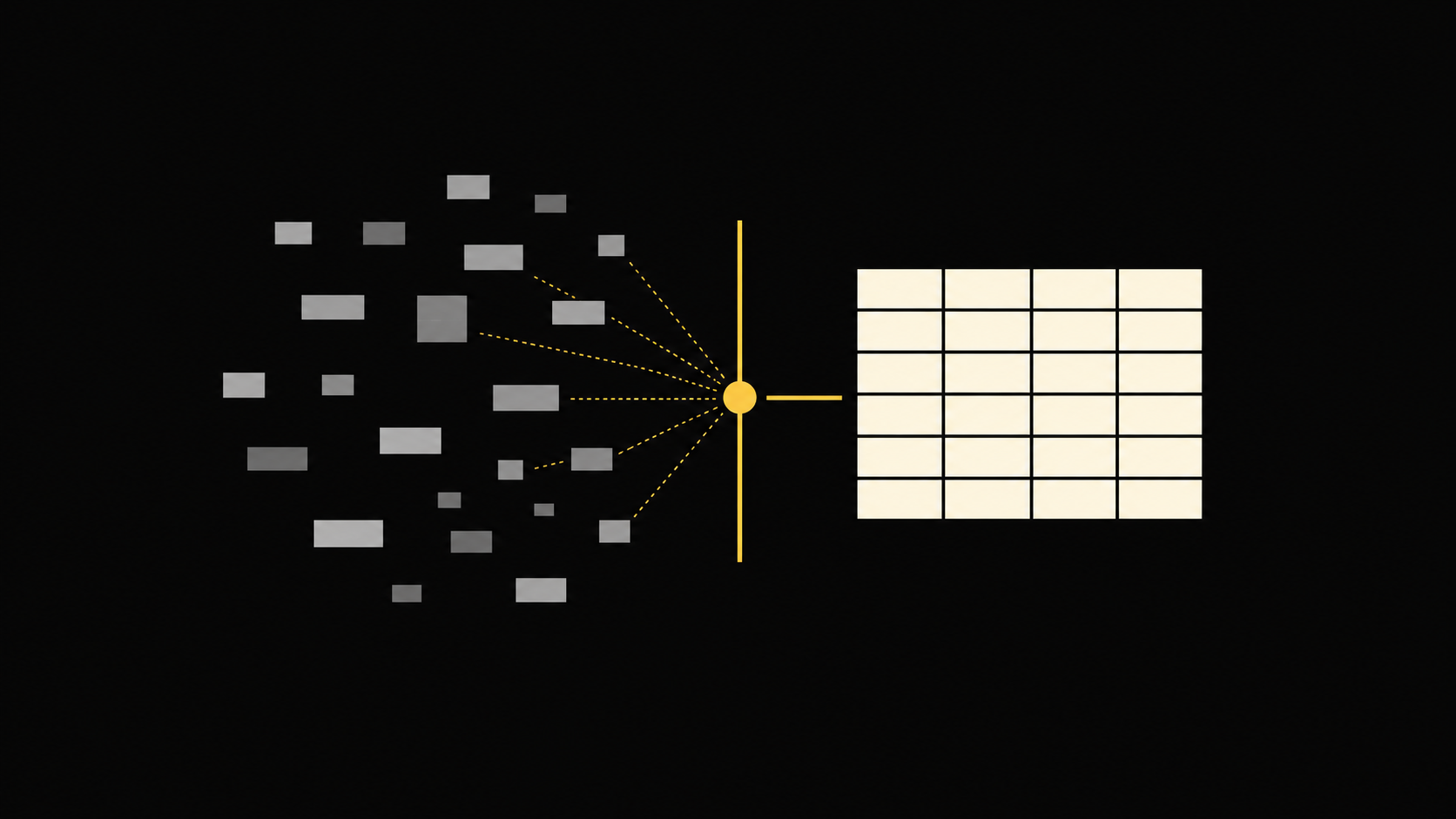
Talk to any founder a couple of years in and you'll hear the same complaint, usually in the same words: everything still routes through me. Every real decision, every "is this good enough to send," eventually lands back on their desk. I had it too, and I was sure it was a volume problem, that I'd hired too slowly or hadn't handed off enough. A mentor of mine, someone who'd built and sold two service businesses, told me the diagnosis was wrong. It took me a year to admit he was right.
His point was blunt. Tasks delegate fine; taste doesn't. My people could do the work. What they couldn't do was look at the finished thing and know whether it was any good. He called that taste, the trained sense of what good looks like, and it lived in exactly one place, my head. So every piece of work made a round trip through me, not because the team couldn't build it but because they couldn't tell if they'd built the right thing.
Procedure and taste
He split any repeated work into two layers. There's the procedure, the sequence of steps, and there's the taste underneath it: what you're really trying to produce, how you tell a good result from one that merely passes, when to throw the steps out because the situation doesn't fit them. A lot of what founders guard as judgment turns out to be procedure they never bothered to write down, and that part should just be documented or automated.
The procedure hands off easily once you do. The taste is what you've been building in your head for years, mostly without noticing it was there.
Which is why the standard advice tends to disappoint. Build systems, write it all down, get the processes out of your head: everyone says it, and my mentor agreed it was right and still expected me to botch it. What you actually write down is the procedure, step one, step two, click here, and you leave out the taste, because steps go into words easily and taste fights it. You get a clean SOP that tells a new hire exactly what to do and nothing about what they're for.
They follow it to the letter, produce something subtly wrong, and you're back in the loop reviewing work that technically did everything right.
A friend who runs a design studio learned this the expensive way. She'd written her client onboarding as fourteen steps, send the welcome email, spin up the shared folder, book the kickoff, and handed it to her first ops hire feeling organized. He followed all fourteen, and the onboarding still landed flat. What made hers good was never the steps. It was her read on the client in that first call, her sense of which thing to set up first based on what they were quietly anxious about.
She'd written down the clicking and kept the only part that was ever scarce.
What you can actually transfer
You can get some of the taste onto paper, and you should. When you document something, write the steps last, if at all, and start with the part that's hard to replace. What is this work actually trying to produce? How do you tell a strong version from one that just looks fine on the surface? Where are the two or three places people reliably go wrong? Those answers are the part of taste that survives being written down.
The rest of it can't be told, only trained, and this is the part my mentor leaned on hardest. Taste isn't a gift somebody has or doesn't. It's pattern recognition, built from a few hundred reps of seeing good next to bad with the reason attached, and it feels innate only because you've forgotten the reps that built yours. So you transfer it the slow way: the person makes the call, you react fast with the why, this one's better, here's the tell, they adjust, and you run that loop until their gut fires the way yours does.
It's an apprenticeship, not a document. It's also the work founders skip, because it means letting people be wrong in front of you for a while and watching mediocre go out the door with your name on it until their eye catches up. Most of us would rather just fix it ourselves, which is the exact decision that keeps us the bottleneck.
The part that stays yours
And some of it won't transfer at all, however many reps you run. Your taste is assembled from everything that made you you: the work you've done, the things that burned you, the particular way you happen to see. Two sharp people can look at the same project and disagree, honestly and reasonably, about what good even means, because their taste came from different lives. That's why your team can't read your mind, and why it's a little unfair to expect them to.
Most of your taste you can write down, and most of what's left they'll pick up from reps. The residue, the calls that come down to who you are, no document and no drill will close. What closes it is staying in the room together: mentorship, brainstorming, the slow alignment where you reason the call out side by side instead of one of you guessing what the other would do. It's the same reason I still carry my hardest calls to my own mentors.
You don't hand that kind of taste over. You converge on it, in conversation, over time.
The line that stuck, from the mentor who started me down this road: you stop being the bottleneck the day your team can look at a piece of work and mostly know, the way you'd know, whether it's right, without carrying it back to you. Not when your task list finally empties. When your taste stops being the only copy.